

Discover what living wills and Medicare powers of attorney mean for your family.
Without proper planning, your loved ones may face impossible decisions when they can no longer speak for themselves. You also may have to guess what they would have wanted during a medical crisis.
Iowa Medicaid healthcare directives put recipients in control. These legal documents communicate wishes for medical treatment in the event of incapacitation.
Whether planning for the unexpected or preparing for long-term care needs, understanding how these directives work under Iowa law helps you and your family feel confident and prepared.
What Is an Iowa Healthcare Directive?
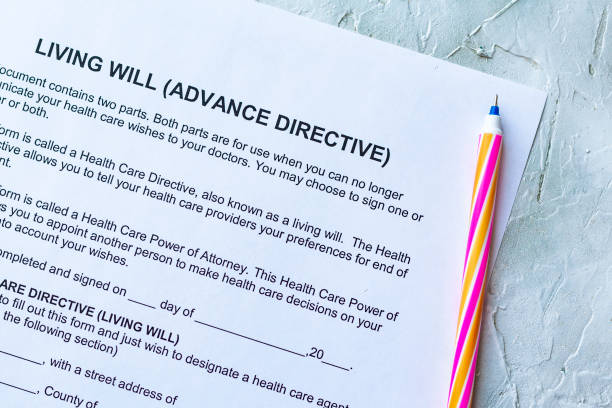
An advance healthcare directive is a written document that communicates a Medicaid recipient's care preferences when they become unable to do so personally.
Under Iowa law, every competent adult has the right to make decisions about their own medical care—both now and in the future.
Iowa recognizes three main estate planning tools that work together to protect a recipient's healthcare wishes.
- Healthcare Durable Power of Attorney: allows you to name a competent designated person to make medical decisions on your behalf.
- Living Will: states preferences about life-sustaining procedures.
- HIPAA Authorization: ensures a designated agent can access your medical records and communicate with your health care providers.
Many people mistakenly believe advance directives only matter for those facing serious illness. However, accidents, strokes, and sudden medical emergencies can affect anyone at any age.
Advance directives are important for all adults who want to maintain control over their future medical care wishes.
Iowa Living Will Addresses Life-Sustaining Procedures
A living will is a written statement that lets medical personnel know what kind of life-prolonging medical care you want to receive (e.g., refuse care, refuse under specific circumstances).
In Iowa, this document specifically addresses situations involving a terminal condition.
Terminal condition defined
Under Iowa law, a terminal condition means an incurable or irreversible event that, without life-sustaining procedures, will result in death within a relatively short time.
The definition also includes a permanent vegetative state and the inability to recover consciousness.
Two physicians must confirm this determination before a living will can take effect.
Life-sustaining definitions
Life-support procedures include mechanical ventilation, feeding tubes, and other interventions that artificially maintain vital functions.
These procedures differ from comfort care measures designed to provide comfort and ease pain, which continue regardless of the directive.
Iowa law also allows Medicaid recipients to specify whether to withhold or withdraw nutrition and hydration when provided through a feeding tube or intravenous line.
Document springing effect
Iowa living wills with Medicaid planning only activate (spring into action) when two conditions are met simultaneously: the recipient has a terminal condition and is unable to make medical decisions.
Until both conditions exist, recipients retain full authority over their treatment decisions.
Choosing Someone to Make Medical Decisions for You
A durable power of attorney is a document that allows you to name an agent (attorney-in-fact, proxy) to make health care decisions for you when you cannot make them yourself.
Unlike a living will, this document applies to any medical situation, not just terminal conditions.
Healthcare agent powers
The law gives agents broad authority to act on your behalf:
- Refuse medical treatment.
- Select hospitals and care facilities.
- Access your medical records.
- Communicate directly with your health care providers.
Proxies must act in accordance with the grantor's wishes as expressed.
Additionally, when specific wishes remain unknown, the agent must make decisions based on the recipient’s best interests, considering their values and what they would have likely chosen.
Who cannot serve as an agent in Iowa?
Iowa law states that you cannot name the following professionals as healthcare proxies under a durable power of attorney:
- Doctors, nurses, or any other health care provider currently treating you.
- Hospital employees or care facility workers providing your treatment—unless that employee happens to be a close relative.
Thoughtful planning also includes naming an alternate agent should your first choice become unavailable, unwilling, or unable to serve when the time comes.
Iowa-Specific Document Execution Requirements
Creating valid Iowa healthcare directives requires following specific legal procedures when drafting and signing them.
You must endorse all documents in the presence of two witnesses or before a notary public to become legally binding.
Iowa law also includes several witness requirements and restrictions:
- Both witnesses must be at least 18 years old.
- Witnesses cannot be designated agents.
- Treating health care providers and their employees cannot serve as witnesses.
- At least one witness must not be related to you by blood, marriage, or adoption within the third degree of consanguinity.
Consulting with a Medicaid planning attorney proves helpful for many people drafting and executing a living will or durable power of attorney to ensure proper language and completion.
How to Choose the Right Healthcare Agent
Selecting the right healthcare proxy is important, as this person will make decisions about your medical treatment, including end-of-life care, during your most vulnerable moments.
- Look for someone who understands your wishes regarding care and treatment.
- Geographic accessibility matters because your agent will need to respond quickly during emergencies.
- Emotional resilience is equally important, as making healthcare decisions can be tremendously stressful.
You should have detailed conversations with your potential agent about your values, your fears about medical treatment, and your preferences for specific procedures.
The more thoroughly your agent understands your thinking, the more confidently they can speak for you.
Involving the entire family in discussions before finalizing your Iowa healthcare directives also helps prevent disputes later.
Common Mistakes That Make Iowa Healthcare Directives Ineffective
Even well-intentioned directives can fail to protect your wishes. Understanding common pitfalls helps you avoid them.
- Using vague document language instead of specific instructions often leaves agents guessing about your true preferences.
- Failing to distribute copies to your attending physician, care facility, and agent means no one can act on your directive when needed.
- Never discussing your wishes with your agent before a medical emergency forces them to make critical decisions without guidance.
- Forgetting to update directives after significant life changes like marriage, divorce, or the death of your named agent leaves outdated instructions in place.
- Improper witnessing or notarization can invalidate your entire document.
Consider consulting with an Iowa Medicaid planning professional when creating or updating your directives after any major life event.
Reviewing and Updating Your Advance Directive
Iowa estate law allows you to change or revoke your Iowa advance directives at any time and in any manner, regardless of your physical condition at the time.
This flexibility ensures your estate planning tools documents always reflect your current wishes.
Always review your directives after significant life events:
- Marriage or divorce.
- Serious illness diagnosis.
- Death or incapacity of your named agent.
- Substantial changes in your health philosophy or religious beliefs.
- Moves to a different state.
Even without life changes, reviewing your directive every few years ensures compliance with current Iowa law and confirms the documents still reflect your preferences.
Healthcare Directives Cooperating with Iowa Medicaid Planning
Advance directives and Medicaid planning address different aspects of long-term care preparation.
Ideally, these documents should complement each other while ensuring that executing the directives won’t jeopardize a person’s Medicaid eligibility.
Take control of your future care needs
When created thoughtfully and professionally executed, advance directives work in tandem with Medicaid planning to protect your medical preferences and your eligibility for benefits you may need down the road.
Iowa Medicaid planning advocates help recipients address these interconnected concerns, creating comprehensive directives that meet their family dynamics while considering potential Medicaid implications.
CONTACT IOWAMEDICAIDHELP TODAY to learn more about protecting your healthcare decisions and exploring the Medicaid options available to Iowa residents.